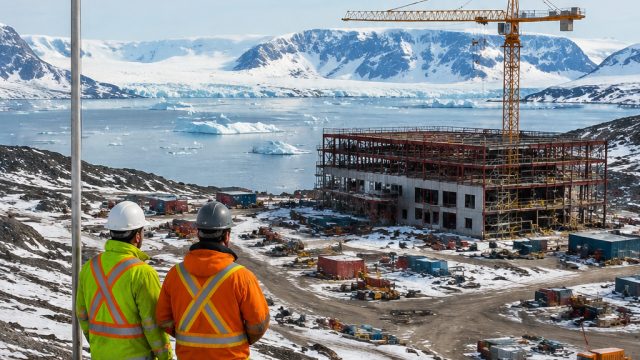
Canada Prioritizes Arctic Infrastructure: A Strategic Move for Development
In an unprecedented move, the Canadian government is set to unveil plans to designate two crucial Arctic infrastructure projects as national interests. This significant announcement is expected to occur during a press conference in Yellowknife, drawing attention to the nation’s commitment to enhancing connectivity and economic growth in the northern regions. As global interest in the Arctic rises, understanding the implications of this decision is essential for stakeholders and communities alike.
The Grays Bay Road and Port Project
One of the marquee projects highlighted in this initiative is the Grays Bay road and port project located in Nunavut. This project aims to create a vital transportation link that will facilitate the movement of goods and services, thereby boosting local economies. With increased access to markets, the Grays Bay project is poised to play a crucial role in the sustainable development of the region.
Economic Impacts
- Enhanced shipping routes for local businesses.
- Potential for job creation in construction and related industries.
- Improved access to essential resources and services for remote communities.
Challenges and Considerations
While the benefits are notable, the Grays Bay project must navigate various challenges, including potential environmental impacts and the need for community consultations. The federal government’s decision to categorize this project under the Building Canada Act allows for expedited approvals, which raises questions about balancing development with ecological preservation.
The Mackenzie Valley Highway Project
Another major initiative is the Mackenzie Valley highway project in the Northwest Territories, which aims to connect remote regions with the rest of Canada. This highway is expected to provide essential infrastructure that supports not only transportation but also the delivery of services and emergency response capabilities.
Strategic Importance
- Increased accessibility for Indigenous communities.
- Support for tourism and resource extraction industries.
- Potential for improved emergency services response time.
Environmental Considerations
Similar to the Grays Bay initiative, the Mackenzie Valley project raises important environmental questions. The Government of Canada must ensure that development does not come at the cost of the fragile ecosystems prevalent in the region. Stakeholder engagement and thorough assessments will be critical in addressing these concerns.
Why This Matters Now
The timing of this announcement is particularly significant. As climate change continues to affect the Arctic, the need for resilient infrastructure has never been more pressing. Moreover, as global interest in Arctic resources intensifies, Canada has the opportunity to position itself as a leader in sustainable development. The decisions made now will shape the future of the region for generations to come.
Global Implications
Internationally, Canada’s actions may serve as a model for balancing development with sustainability. As countries around the world grapple with similar challenges, the strategies employed in the Arctic could influence broader environmental policies and infrastructure development approaches.
Conclusion
Canada's decision to designate key Arctic infrastructure projects as national interests reflects a strategic response to evolving economic and environmental landscapes. The Grays Bay road and port project and the Mackenzie Valley highway project stand as testaments to the country’s commitment to fostering growth while preserving its natural heritage. As the government prepares to move forward with these initiatives, it is imperative for all stakeholders to engage in meaningful discussions to ensure a balanced approach that benefits both the economy and the environment.