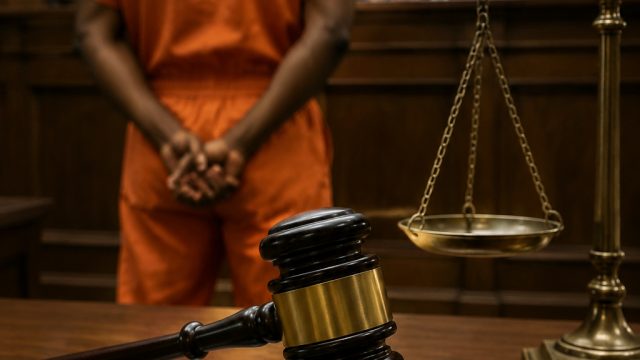
Supreme Court Ruling Impacts Religious Rights in Prisons
The recent decision by the Supreme Court regarding the rights of inmates has sparked significant debate about religious freedoms within the correctional system. This ruling is especially relevant in the context of how prisons accommodate the religious practices of individuals, particularly those adhering to distinct faiths like Rastafarianism.
Background of the Case
The Supreme Court ruled against a Rastafarian inmate whose dreadlocks were forcibly cut by prison guards. This case raises profound questions about the intersection of religious expression and institutional authority within prisons. The ruling suggests a limitation on the ability of inmates to seek redress for violations of their religious rights, setting a precedent that could have far-reaching implications.
The Significance of Dreadlocks in Rastafarian Culture
Dreadlocks hold deep spiritual significance in Rastafarianism, symbolizing a commitment to their faith and cultural identity. For many Rastafarians, the act of cutting dreadlocks is not merely a personal choice but a violation of their religious beliefs. This ruling not only affects the individual involved but also sends a message to other inmates regarding their rights to practice their religion freely.
Legal Implications of the Ruling
The Supreme Court's decision has broader implications for how religious rights are interpreted in the prison system. By limiting the ability of inmates to sue for infringement of their religious practices, the Court raises concerns about the protection of minority religions in a highly regulated environment. Here are some key points regarding the legal implications:
- Challenges to religious freedoms may become more difficult for inmates.
- Prison policies may become more restrictive, potentially infringing on minor faith practices.
- The ruling may embolden prison officials to make unilateral decisions regarding inmates' religious practices.
Potential Impact on Other Minority Faiths
This ruling does not only affect Rastafarians but could also set a precedent for other minority faiths in prisons. As religious practices often involve specific customs, the implications of this case might lead to similar challenges for other groups, including:
- Muslim inmates requesting dietary accommodations.
- Jewish inmates seeking observance of religious holidays.
- Other faiths with specific dress codes or grooming standards.
Public Response and Future Considerations
The ruling has garnered mixed reactions from various advocacy groups, legal experts, and the general public. Many argue that the Supreme Court's decision undermines the essential freedoms guaranteed under the First Amendment. As debates continue, it is crucial to consider the following:
- How will state and federal prisons adjust their policies in light of this ruling?
- What measures can be implemented to safeguard the rights of inmates?
- Will there be further legal challenges to this decision?
The Role of Advocacy Groups
Religious and civil rights organizations are likely to mobilize in response to this ruling, advocating for legislative changes that protect the rights of incarcerated individuals. Their efforts may focus on:
- Encouraging lawmakers to introduce bills that protect religious freedoms in prisons.
- Raising public awareness about the challenges faced by inmates of minority religions.
- Providing legal assistance to affected individuals seeking to challenge similar policies.
Conclusion
The Supreme Court's ruling on the Rastafarian case represents a critical juncture in the relationship between religious rights and institutional governance within prisons. As the conversation evolves, it serves as a reminder of the ongoing struggle for religious freedom and human rights in all contexts, including the often-overlooked spaces of correctional facilities. Further legal and public discourse will be essential to navigate the complexities of this ruling and its implications for future cases involving religious expression in prisons.