
Reviving Jurassic Sounds: A Leap into the Past with AI Technology
Key Takeaways
- AI technology is transforming paleontological research.
- Recreated sounds offer insights into ancient ecosystems.
- This research highlights the importance of biodiversity in history.
- Understanding these sounds can enhance our knowledge of species interactions.
- Scientists aim to further explore how sounds influenced prehistoric life.
Unlocking the Sounds of the Jurassic Era
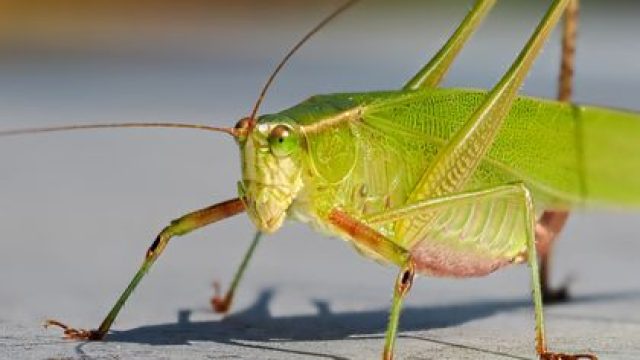
The past often speaks to us through fossils, but a recent breakthrough has allowed scientists to hear echoes from a time long gone. Researchers have harnessed artificial intelligence to recreate the sounds of extinct insects, specifically katydid-like species that thrived during the Jurassic period. This innovation not only broadens our understanding of ancient ecosystems but also sheds light on the evolutionary significance of sound in the natural world.
The Method Behind the Sounds
The process involved the careful modeling of fossilized insect wings and their structure. By analyzing the morphology of these fossils, scientists developed algorithms to simulate the sounds these creatures likely made. This innovative approach marks a significant leap forward in paleontology, as it provides an auditory dimension to our understanding of history.
Why This Matters Now
In an era where biodiversity is critically threatened, understanding the past is more important than ever. The sounds of the Jurassic era give us a window into ancient life and interactions within ecosystems. As contemporary species face extinction, insights from the past can inform conservation efforts and highlight the importance of protecting our current biodiversity.
Lessons from the Past for Today's Environment
The recreated sounds prompt reflection on the role of sound in communication and survival among species. Insects, like many creatures today, utilized sound for mating calls and territorial displays. Recognizing these behaviors in ancient species can help us comprehend the complexities of current ecosystems, especially in regions like Southeast Asia, where biodiversity is exceptionally rich and threatened.
The Future of Sound Research in Paleontology
The implications of this research extend beyond mere curiosity. By continuing to explore how sounds influenced the behaviors and interactions of ancient species, scientists can develop a more complete picture of life on Earth millions of years ago. Future studies may delve into how similar technologies can be used to recreate the sounds of other extinct species, further enriching our understanding of the planet's history.
Engaging with the Broader Community
This groundbreaking research is not just for scientists; it captures the imagination of the general public as well. Museums and educational institutions can leverage these findings to create engaging exhibits that transport visitors back in time. Interactive soundscapes could provide rich, immersive experiences in places like Jakarta and Bali, where paleontological interest is growing.
Conclusion: A Symphony from the Past
As we stand on the shoulders of technological advancements, the ability to recreate sounds from the Jurassic period represents a significant milestone in our quest to understand Earth's history. By melding artificial intelligence with paleontology, researchers are not just producing sounds; they are reviving a symphony that reveals the complexity of life on Earth. As we listen to these echoes from the past, we are reminded of the delicate balance of ecosystems and the importance of preserving the biodiversity of our present-day world.
 Undercover Investigation Expos
660 Flags Represent Lost Veter
New Foot and Ankle Specialist
Reviving Jurassic Sounds: A Le
Undercover Investigation Expos
660 Flags Represent Lost Veter
New Foot and Ankle Specialist
Reviving Jurassic Sounds: A Le