
Maximizing Small Spaces: Smart Layouts in Compact Living
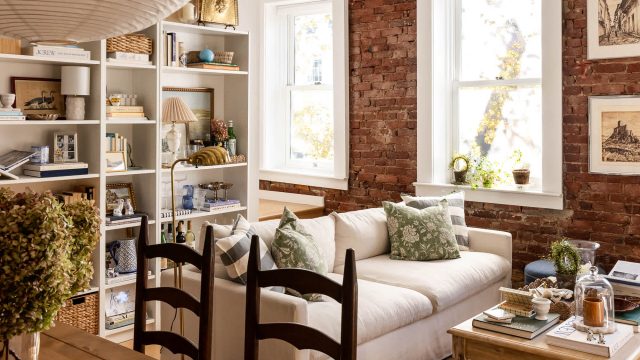
Key Takeaways
- Smart room divisions can make small areas feel spacious.
- Built-in furniture optimizes functionality without sacrificing style.
- Distinct spaces for work and relaxation improve home life quality.
- Compact living requires thoughtful design to maximize every square foot.
- Current trends emphasize multi-use spaces in urban settings.
Understanding the Importance of Layout in Small Spaces
As urban populations grow and living spaces become more compact, the importance of intelligent design becomes increasingly clear. In cities like Jakarta, Surabaya, and Bali, where real estate is at a premium, homeowners are seeking ways to maximize their living areas while maintaining a sense of comfort and functionality. The layout of a small space can significantly influence how well it serves its occupants, transforming a mere 550 square feet into a multi-functional home.
Strategic Design Choices for Compact Living
Effective layouts in small living spaces often incorporate strategic design decisions that allow for both comfort and efficiency. This is especially relevant in Southeast Asia’s rapidly developing markets, such as Indonesia, where innovative living solutions are becoming essential.
Room Divisions
Thoughtful room divisions can help delineate spaces for distinct purposes, making even the smallest areas feel more spacious. For example, opening up sightlines between a cozy kitchen and a living area can create an airy environment while still providing separate zones for cooking, dining, and relaxation. This consideration is critical for urban dwellers looking to optimize their living conditions.
Built-In Furniture
Integrating built-in furniture can drastically enhance the functionality of small spaces. Consider adjustable shelves, foldable tables, or even a Murphy bed that can be stowed away when not in use. These elements not only save space but also add a layer of sophistication and modernity to the design, appealing to a wide range of consumers in the Indonesian market.
The Role of Distinct Spaces in Enhancing Living Quality
Creating distinct areas for various activities within a home fosters an improved quality of life. With the rise of remote work arrangements, dedicating a portion of a small home to a comfortable workspace is crucial. Today's designs often feature compact desks that seamlessly blend into living spaces, allowing for a productive work environment without sacrificing the comfort of home.
The Balance of Work and Leisure
In a compact living setup, striking a balance between work and leisure is essential. By incorporating ergonomic furniture and adequate lighting, homeowners can create an ideal workspace that encourages productivity while also remaining inviting for relaxation.
Conclusion: The Future of Small Living Spaces
As we look ahead, the trend of optimizing small living spaces is only set to grow. Cities in Southeast Asia and beyond will continue to face challenges related to housing density, making it all the more important for residents to embrace innovative design strategies. By focusing on layout efficiency, built-in solutions, and a balance between various living functions, individuals can transform their compact environments into comfortable and functional homes.
In conclusion, the approach to small space living goes beyond aesthetics; it is about creating a lifestyle that values functionality without compromising on comfort. As urban living continues to evolve, so too will the designs that define our homes.
 B2B Cycling Solutions: The Key
Revolutionizing Global Cycling
Navigating Global Trade: The R
Maximizing Small Spaces: Smart
B2B Cycling Solutions: The Key
Revolutionizing Global Cycling
Navigating Global Trade: The R
Maximizing Small Spaces: Smart