
The Rise of Clutter: Why More People Are Embracing Chaos in Their Homes
Key Takeaways
- The trend of cluttercore emphasizes personal expression in home decor.
- Homeowners prioritize comfort and nostalgia over minimalism.
- Clutter can foster a sense of community and connection.
- This trend is gaining traction particularly among millennials and Gen Z.
- Cluttercore challenges traditional notions of organization and aesthetics.
Understanding the Cluttercore Movement
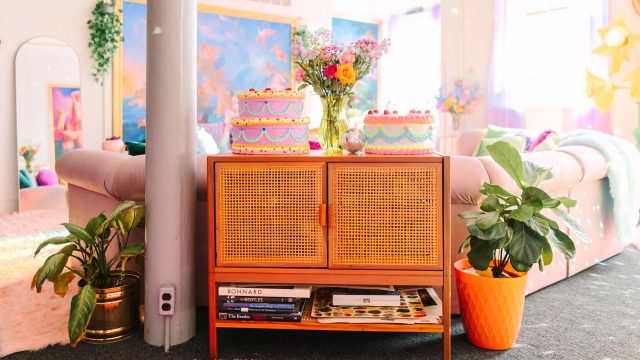
In a world increasingly dominated by sleek minimalism, a new trend is taking shape that encourages the embrace of chaos. This movement, known as 'cluttercore,' invites homeowners to fill their spaces with items that tell their story, making homes feel more lived-in and authentic. Rather than adhering to the standardized, clean lines of contemporary design, cluttercore promotes a more personal approach to home aesthetics.
Why Cluttercore is Gaining Popularity
The rise of cluttercore can be attributed to several factors, particularly as people seek comfort and familiarity in their living spaces. In the wake of the pandemic, many individuals found solace in surrounding themselves with objects that evoke memories and emotions. This shift in perspective has encouraged homeowners to prioritize personal expression over conventional decor standards.
The Psychological Impact of Clutter
Research suggests that clutter can have a profound effect on mental well-being. Rather than inducing stress, a well-curated collection of personal items can enhance feelings of happiness and satisfaction. Homeowners are now recognizing that their possessions can create a sense of belonging and warmth, fostering a comforting atmosphere that resonates with their identities.
Clutter as a Form of Storytelling
Every trinket and piece of decor has a tale to tell. In the cluttercore trend, items are not just decorations but rather representations of life experiences, travels, and relationships. This narrative aspect of clutter allows homeowners to share their journeys with visitors, sparking conversations and connections.
Collectibles and Personal Mementos
From vintage collectibles to souvenirs from travels, cluttercore encourages the display of items that hold sentimental value. Homeowners are increasingly showcasing their hobbies, interests, and histories in their decor. For instance, someone who enjoys cycling might feature bicycle memorabilia or photographs in their living area, creating a personalized narrative around their passions.
Regional Influence: Southeast Asia's Unique Cluttercore Style
In Southeast Asia, particularly in bustling urban environments like Jakarta, Surabaya, and Bali, the cluttercore trend is manifesting in distinctive ways. Homes often reflect cultural heritage through intricate textiles, crafts, and art pieces that might be perceived as clutter in a minimalistic setting. This embrace of local culture allows individuals to create vibrant, expressive spaces that celebrate their roots.
Cluttercore vs. Minimalism: A Cultural Shift
The cultural pivot from minimalism to cluttercore signifies a broader societal shift. As the younger generations look for authenticity in their surroundings, they are less inclined to declutter their lives, opting instead to curate their spaces with meaningful items. This evolution in design philosophy is reshaping how we view aesthetics in our homes.
What This Means for the Future of Home Design
As cluttercore continues to gain traction, we can expect to see a proliferation of eclectic decor styles that bring warmth and personality to homes. Designers might shift their focus from creating sterile environments to fostering spaces that resonate with individual stories. This trend highlights the importance of creating a home that reflects who you are, rather than conforming to external expectations.
Conclusion
The cluttercore movement is more than a passing trend; it represents a fundamental change in how we perceive and interact with our living spaces. By embracing clutter, individuals are empowered to create homes that are uniquely theirs, fostering emotional connections and encouraging community. In a time when authenticity is more crucial than ever, cluttercore offers a refreshing perspective on home decor that resonates deeply with many.
The Rise of Clutter: Why More
 Finding Your Niche in the Comp
Exploring the Future of Bicycl
Bicycle Supply Chain Optimizat
Finding Your Niche in the Comp
Exploring the Future of Bicycl
Bicycle Supply Chain Optimizat